
' ' '
Atlantis Artist Spotlight
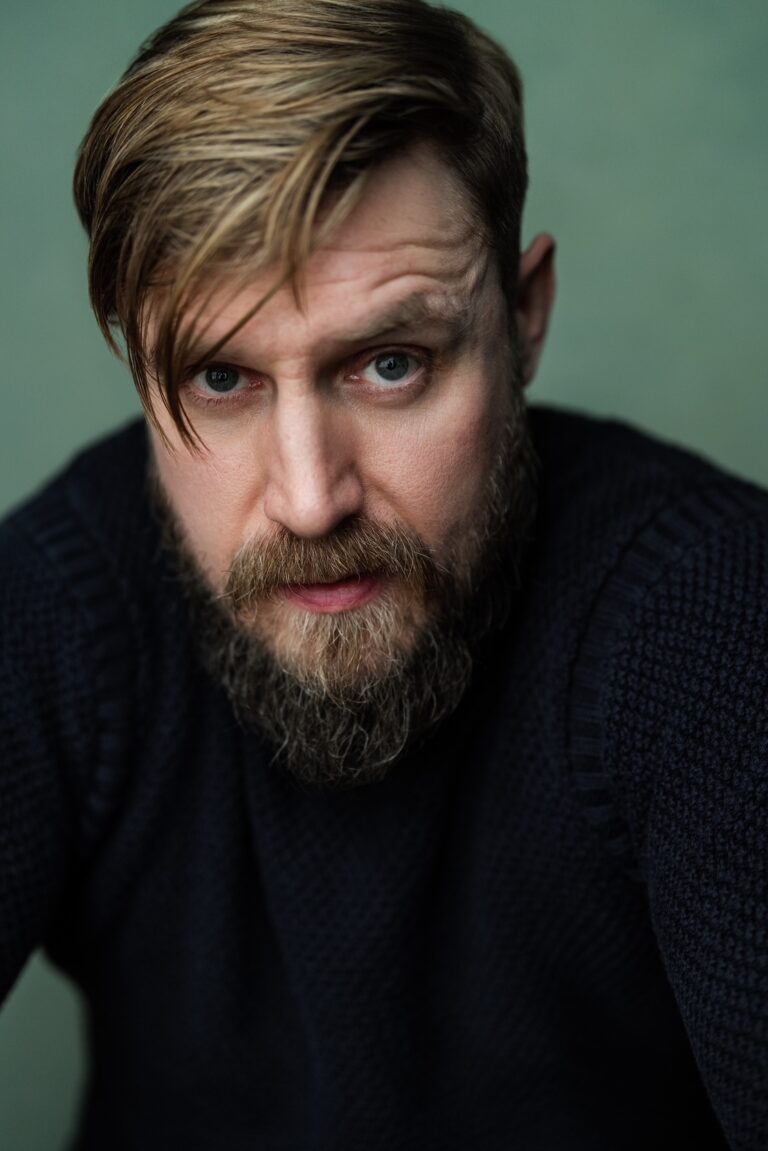
When Dialogue Disappears:
The Actor Inside the Data
In contemporary film criticism, an actor’s performance is routinely tethered to the spoken word. We measure gravity by delivery, nuance by inflection, and character by dialogue. Yet a vast and increasingly important part of modern cinematic storytelling occurs in a space where traditional speech is completely absent — the digital volume of motion capture. To the untrained eye, or to the cold baseline of a credit scroll, these performances are frequently dismissed as mere “data collection” or relegated to the category of additional crew stunt work.
But when we strip away the visual effects, who is actually holding the frame alive?
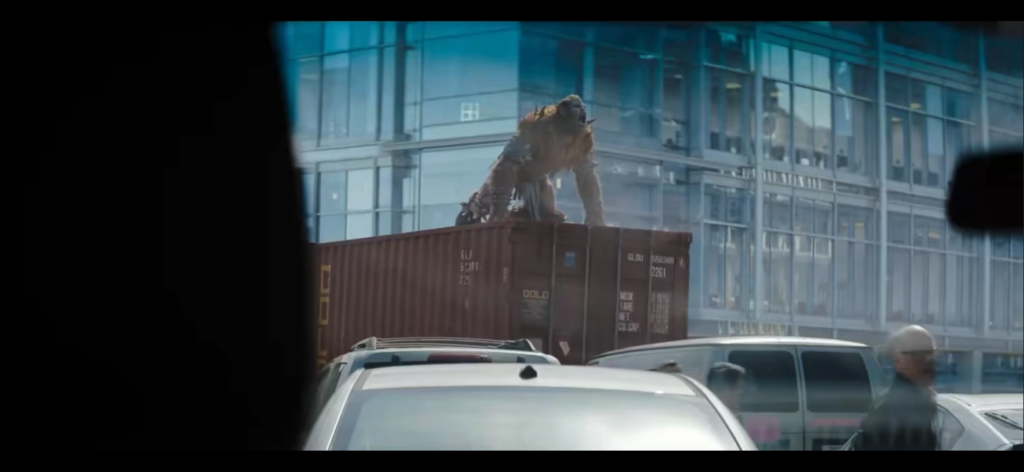
The answer lies in a discipline James Unsworth calls Action Performance — defined not by physical tricks, but by dramatic truth. Through a close examination of his artistic philosophy and career — most recently behind the primal, threatening presence of Beast Man in Masters of the Universe — we can map the profound intersection of classical theater, opera, physical endurance, and digital technology.
“You don't need dialogue to be a character.”
Action Performance: Becoming a Physical Performer
At his core, Unsworth has always been an actor. Growing up in the Lake District of Cumbria, UK, his earliest creative ventures were built out of childhood imagination and old home camcorders, reshooting The Lord of the Rings in the middle of local forests. That early instinct for world-building eventually led him to a local theater group, drama school, and an arts college in London.
Upon entering the professional London theater scene, however, Unsworth confronted an oversaturated industry of performers all claiming to be “triple threats” who could act, sing, and dance. Lacking confidence in his singing and dancing abilities, he sought a distinct way to separate himself from the crowd:
“I decided I would be the fight guy. I would learn combat, I’d learn swords, and focus on that. I started learning weapons and really took to it. I realized there was a very small community of theater actors who genuinely knew what they were doing in terms of stage combat. Every actor had the basics, but there weren’t many who were experts. I wanted to get into that fraternity. Eventually, when you follow stage combat as far as it can go, you hit a ceiling. To get through that ceiling, you either become a teacher or you move into stunt work. And stunt work really appealed to me as I’m still at heart a performer and wanted to remain as such.”
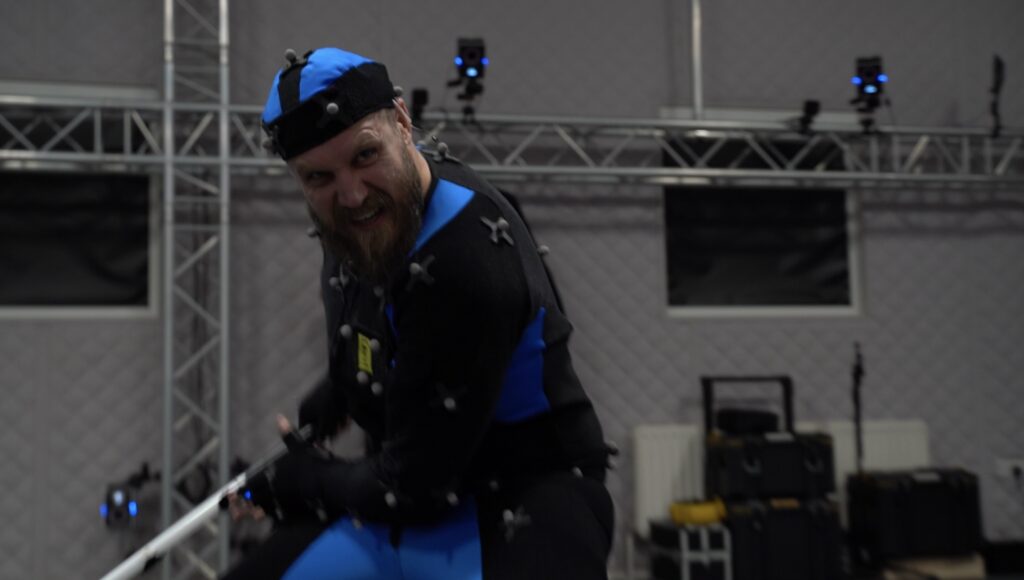
Rather than focus on following the path of the British Stunt Register, the primary Stunt association on the UK, Unsworth chose a pathway that allowed him to keep his acting at the forefront: “I quickly discovered, after years of doing stunt roles and building up my CV, that my acting was exactly what set me apart from other stunt performers. Stunt performers are amazing — they can do incredible physical feats — but acting doesn’t always come naturally to them. They don’t always understand that it’s not just about dialogue, it’s about being active, present and confident in the scene and not being afraid to make choices.”
Everyone on the stunt register, he explains, has some form of serious martial arts or combat sports background — a black belt in something, or a professional fighting pedigree. Unsworth tried several of the standard routes himself — Muay Thai, Brazilian jiu-jitsu, judo — without any of them quite fitting. What finally clicked was less conventional: professional wrestling, at a UK promotion called Progress that had a training gym and he began to train there.
“That just did it for me, because it’s inherently theatrical. It’s pure storytelling. It hurts, and it teaches you how to take a hit and how to get your body properly set for doing those hard hits on set. Because when you are on set doing stunts, it is a hard hit. I basically took everything I learned from that world and brought it into the stunt industry.”
The Ghost in the Machine:
Why Mocap Is Not Just Data
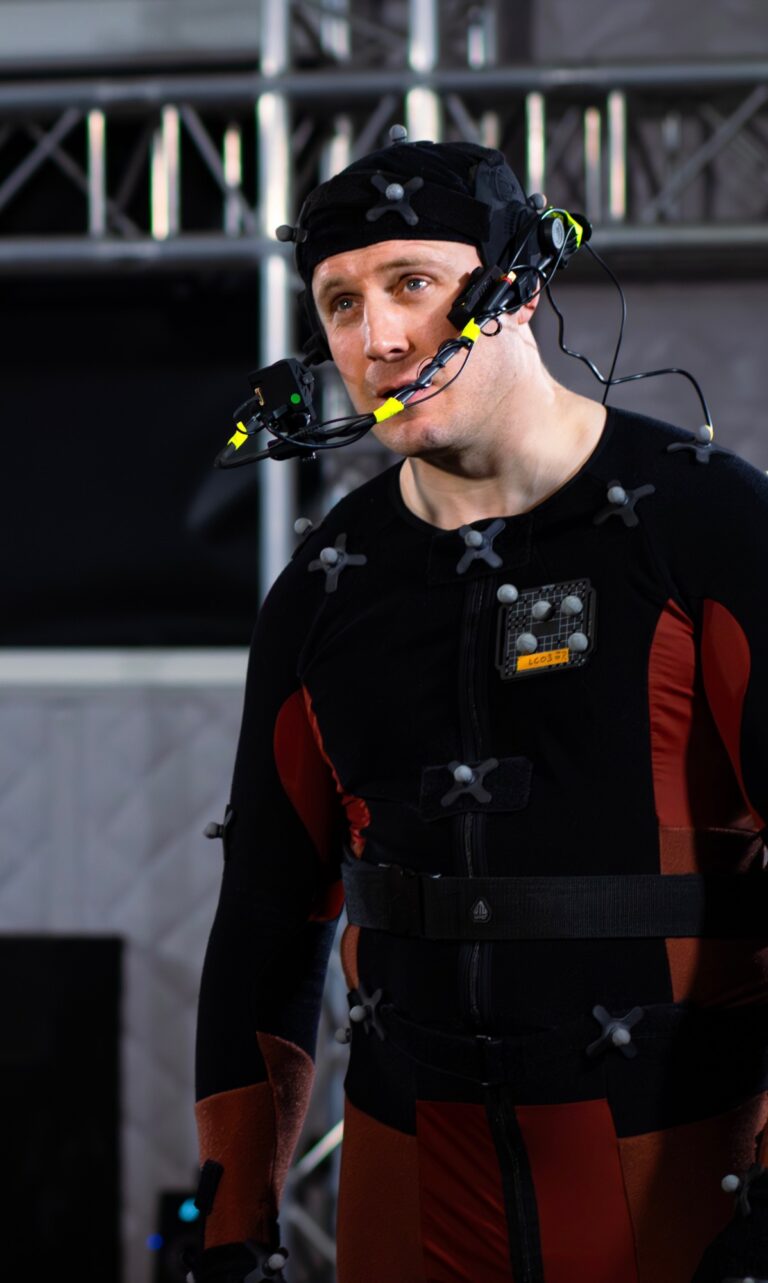
A transition into commercial motion capture for game engines and industrial visual effects studios revealed a stark divergence in performance mechanics. The capture volume — often referred to as “the void” — enforces a completely different standard of truth than either a traditional film set or a live stage.
“I’ve seen mocap performers go into the void who are amazing stage or screen actors. They will get up there and deliver a monologue that is emotionally intense, crying and putting everything into it. Seeing it on stage, you’d be amazed. But when you look at the data on the screen, the character skeleton is completely dead. Because their performance is entirely internalized, it doesn’t register. If I stand still and do nothing, how do I keep that digital skeleton alive? You have to think about your breathing, getting your shoulders involved, and keeping a slight, active weight distribution just so there is always a physical presence there.
On the other side of things, I’ve seen traditional stunt performers join us in the void and try to execute a gnarly crash out. On a normal set, there are tricks you can do to avoid breaking your neck — using your hands to break a fall, hiding behind a specific lens angle. But on the screen in the void, that magic trick doesn’t work. There is no camera to hide behind, because it’s a 360-degree capture. If you use your hands to catch yourself, the hundred cameras around the room will catch that hand. To make it work, you have to throw yourself into the fall, catch your neck, and land purely on the crash mat.”
This continuous, full-body repetition required by performance capture sets a grueling pace that frequently surprises those accustomed to traditional, short-burst stunt setups.
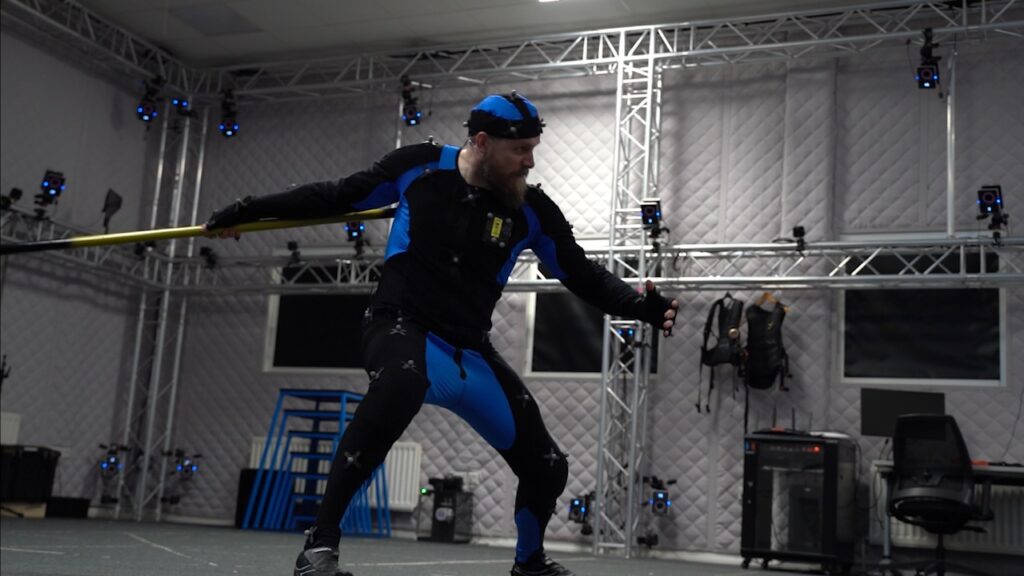
“Character work in mocap is an all-day commitment, which is very different from the physical pacing of standard stunts. In stunts, you practice, you run your previz, you lay out your mats, and you take the hit when the cameras roll. When you are doing character work, you are in that posture all day. With Beast Man, his neck is pushed far out like a gorilla. That’s fine to hold for a brief moment, but when you are doing it all day, tensing your lats, locking your shoulders, and leaning forward, it gets incredibly tiring — and for that job specifically, I’d wear my own stunt body protection underneath the suit just to be ready for it.
Ironically, despite all my time in stunts and pro wrestling, the hardest physical days of my career have been mocap days rather than stunt days. On a stunt job, you have the immense psychological pressure of getting it right on the first take, because if you mess up an explosion, you’ve cost the studio fifty grand. But you do your bullet reaction, you hit the floor, and you’re done for the scene. In mocap, the pressure is a marathon — consistently snapping your head back and reacting for hundreds of takes all day long.”
Beast Man as a Physical Amalgamation
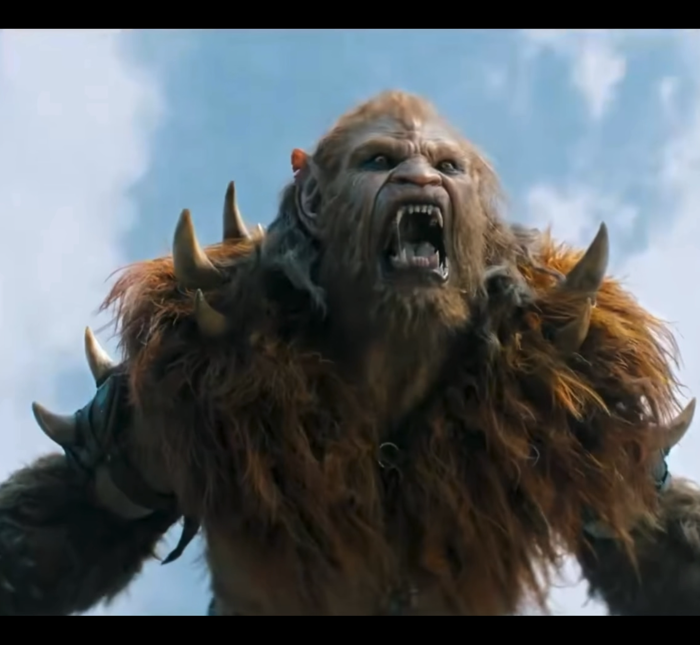
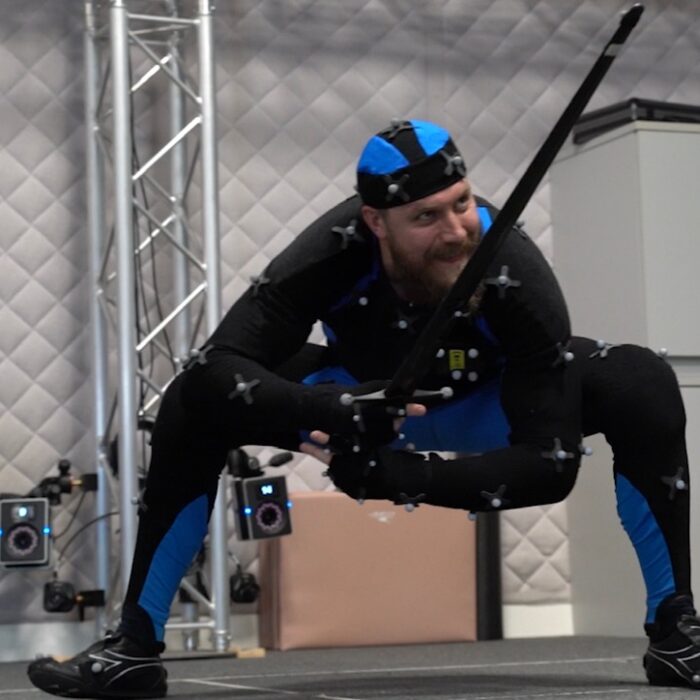
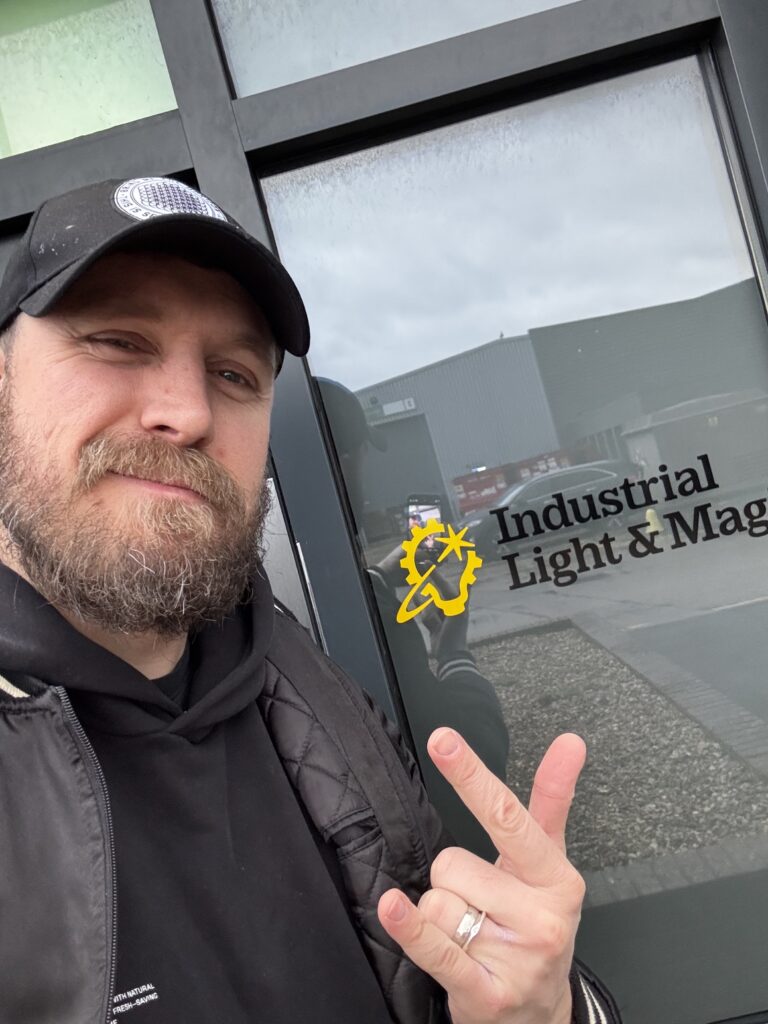
When tasking an actor with capturing creature movement for major studio pipelines like Industrial Light & Magic, directional cues are often highly generalized. The pitch for Beast Man was simple: make him a bit like a gorilla, but explicitly keep him a man — and avoid copying the classical ape vocabularies popularized by veteran performers before him. To find this distinct line, Unsworth constructed a physical amalgamation pulling from digital media and memory.
“I always pull from whatever I happen to be playing or watching at the time to help build a character. I was playing through Resident Evil on the PlayStation, and there are two monsters in that game that caught my attention. There are the Hunters, which are giant, frog-like creatures — vicious, hunched over, and quick. And then there are the Lickers, which crawl around on all fours.
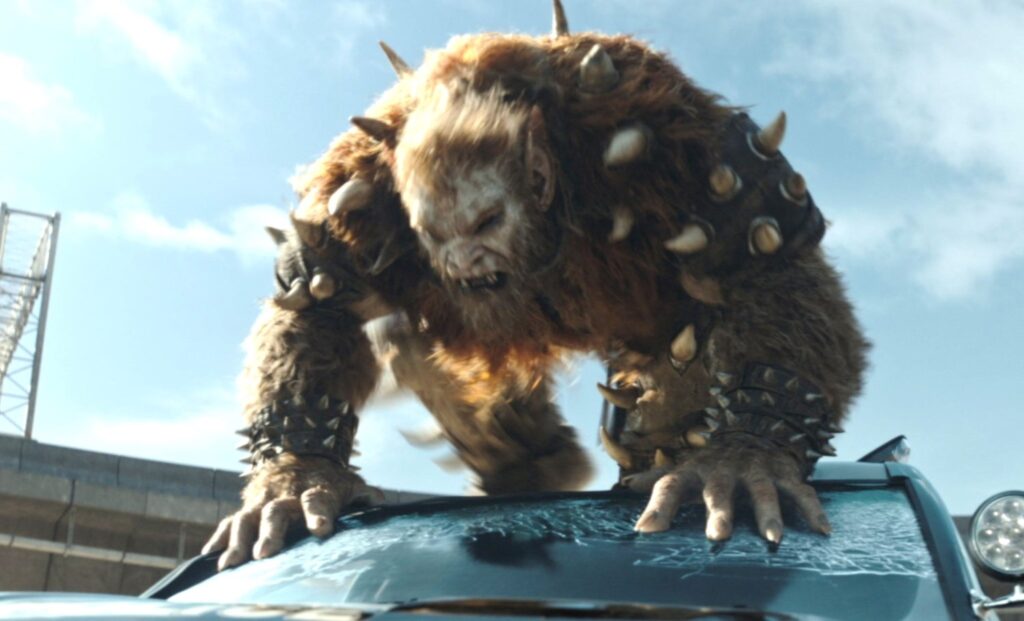
We tried a bit of everything for Beast Man. We designed a version of him where his chest was incredibly low to the ground for certain movements, and we used those beastly, primate elements for his walking cycles. But when he stands up, I wanted to get the man back in there. I thought about my early teenage years in the pubs of London — specifically the aggressive, posturing body language of someone who has gotten annoyed and offers you out for a scrap outside. Beast Man’s movement became this unique culmination of all those elements, refined alongside the director in the volume.”
To sustain these minute physical adjustments across long shooting schedules, Unsworth relies heavily on single cognitive anchors to lock into the performance.
“The technique that works best in mocap is using keywords. Before you execute a particular shot, place a single keyword in your head. The moment you start thinking too much about the individual mechanics — what your shoulder is doing, how your neck is angled — you lose the macro-reality of the character. It is far more effective to choose one word that encompasses the entire physical intention of that shot, allowing you to instantly switch gears between a high-vantage animalistic posture and a grounded, human stance.”
Opera as the Bridge:
The Broad Canvas of No Dialogue
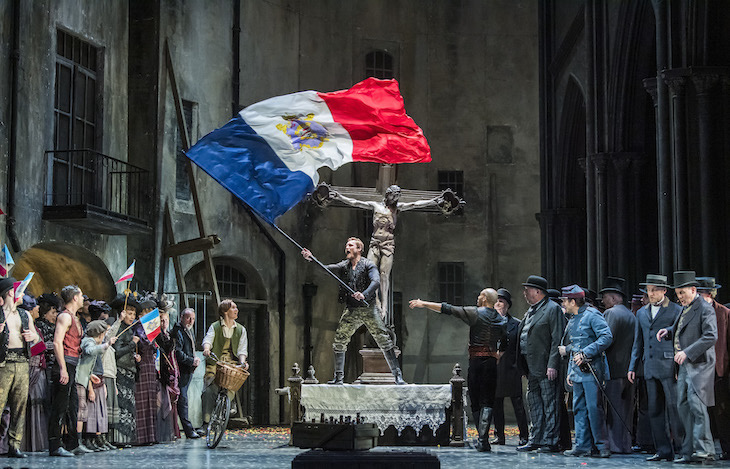
The bridge between traditional performance capture and grand physical expression was forged across an unexpected vertical: Unsworth’s tenure of nearly twenty years performing at the Royal Opera House in London. Though grand opera and digital motion capture seem worlds apart, they demand the exact same physical literacy.
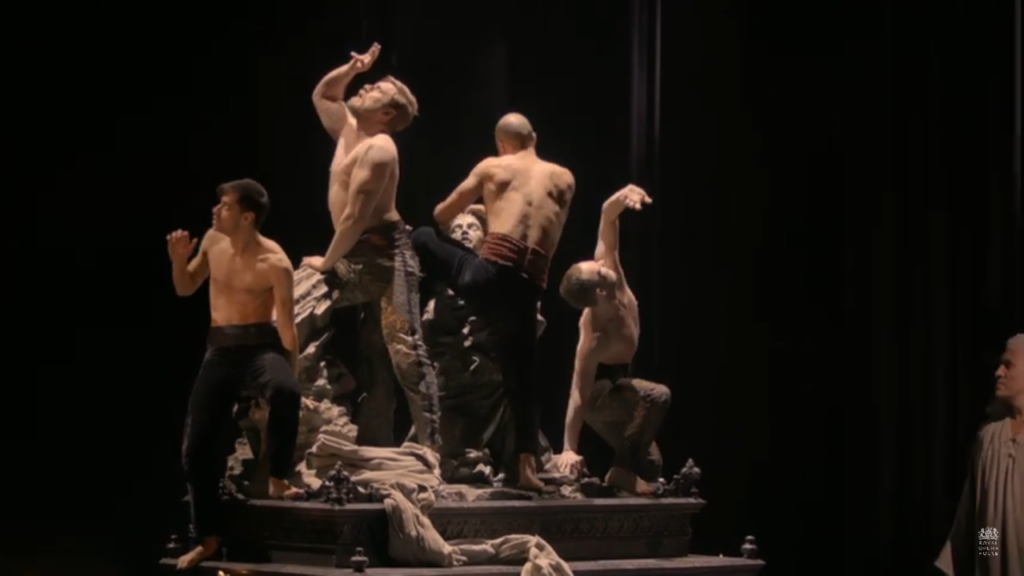
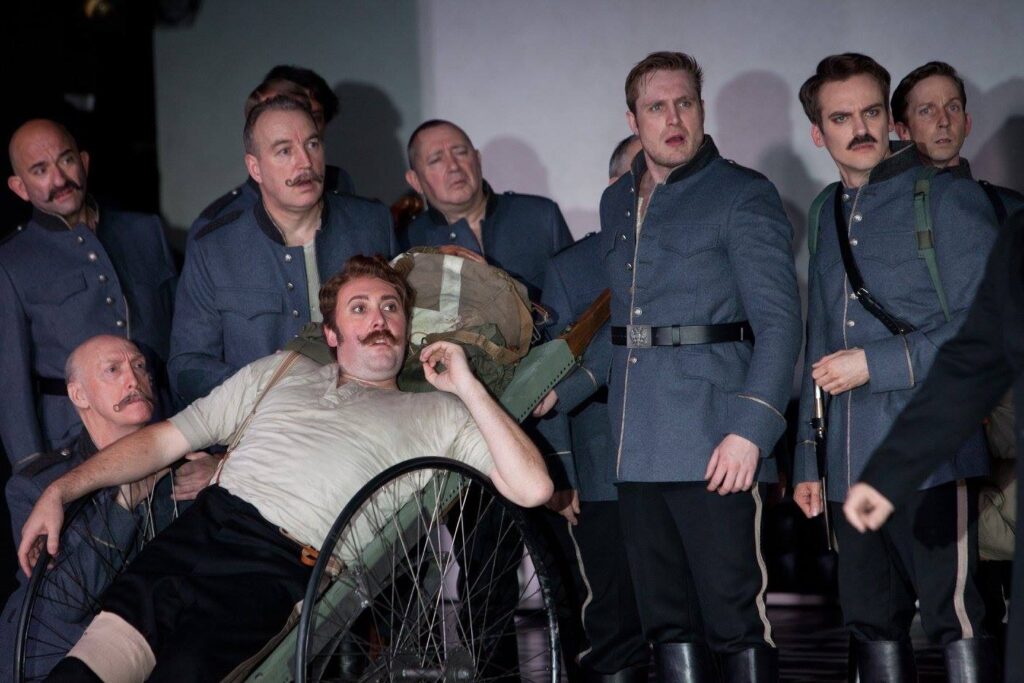
“I still do about two shows a year at the Opera House, and it has been an incredible asset for my mocap work, because opera is naturally larger than life. Not only is it grand in scale, but as a physical actor on that stage, you have no voice — the opera singers are the ones telling the story. You have to communicate entirely through physical presence and expressions that are defined enough for someone at the very back of the theater to read clearly.
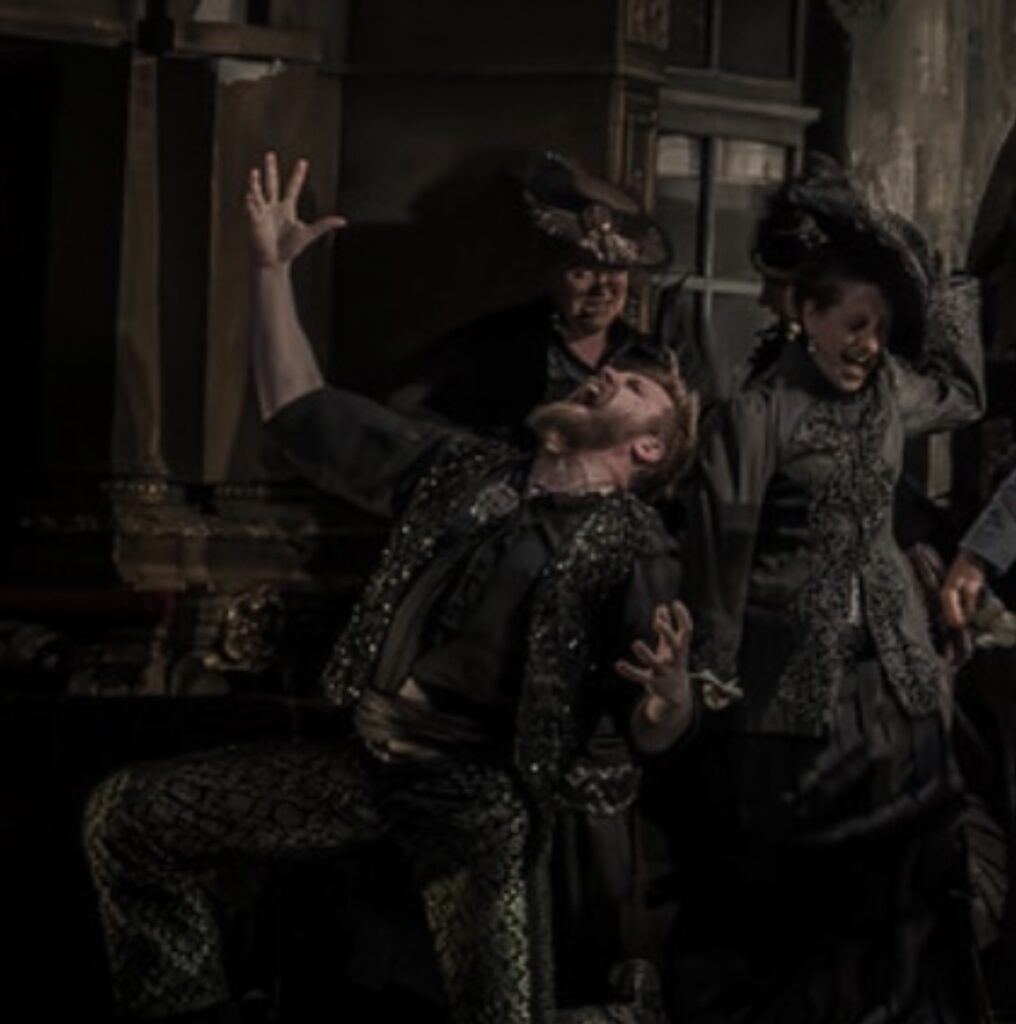
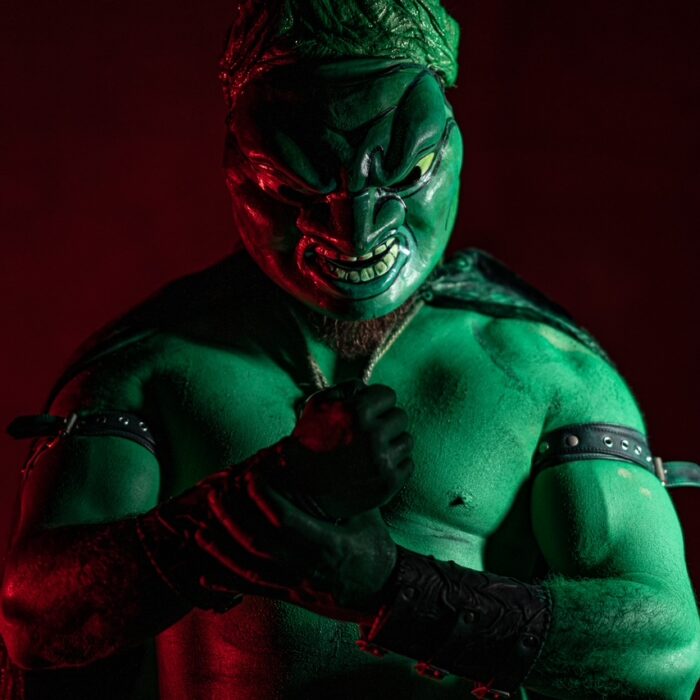
The opera work and the mocap work have gone completely hand in hand; each made me better at the other. I did a tour where I played Pu-Tin-Pao, the executioner from Turandot — a massive, green body-painted character with a giant sword and a heavy mask, and, fittingly, not a single line in the entire opera. Wearing that mask on stage, I immediately applied my mocap training. I knew I had to breathe deliberately, keep the character visually alive, and make every single micro-movement highly purposeful. The production team was amazed that my performance was reading clearly all the way to the back of the house, and I told them it came entirely from the discipline of motion capture.”
The Philosophy of Window Dressing:
No Small Parts
Ultimately, the baseline constraint of action performance demands absolute commitment to the background matrix of the scene, establishing a compelling narrative presence without the aid of a verbal script.
“When dialogue disappears, what’s left is pure performance. You do not need lines to be a character. I don’t mean drawing focus away from the main action, either; it’s simply about living authentically in whatever space you occupy. If I’m playing a henchman or a guard standing in the background while a dictator addresses a crowd, I don’t want to just stand there looking bored and waiting for my next cue. I give myself an internal objective. I’ll tell myself, ‘What if someone in this crowd has a weapon?’ Suddenly your eyes are active, you are genuinely hyper-aware of the environment, and you become a credible, intimidating piece of world-building. Even if you are just window dressing, you stay completely in-world, so that if a viewer looks at you at any point, the illusion remains unbroken.
Years ago, I worked on a production of One Flew Over the Cuckoo’s Nest. There was an actor who played a lobotomized patient who had exactly one line in the entire show. He spent hours on stage simply existing within the background of the ward, but his commitment to that character was so absolute and believable that he was singled out in every single theater review. That is real acting. It’s what I tell my nephews when they’re disappointed about an audition. It’s never about the size of the role or the number of lines you have. If you are cast to play a tree, your job is to commit so completely to the reality of that tree that you still find a way to steal the show.”
Being a Character
For physical performers working through the specialized, collaborative pipelines of modern visual effects, validity is achieved strictly through character consistency rather than kinetic exhibitionism. True action performance honors the story over the spectacle.
“It’s never about doing tricks; it’s about being a character. When you look at fight sequences in cinema, it shouldn’t just be a fight because it looks cool, or a collection of flips designed to show off. There always has to be a dramatic reason behind why we are fighting and why we are moving this way. I always follow a specific rule when designing a fight: there are four basic character types in a combat narrative. You either want to fight and you are good at it; you don’t want to fight but you are good at it; you want to fight but you are bad at it; or you don’t want to fight and you are bad at it. The choreography must always serve one of those four stories.
Creating a character like Beast Man is entirely a collaborative piece. It belongs to the stunt performer on set who provides the physical spatial reference, it belongs to the performance capture actors in the void, and it belongs to the visual effects artists, graders, and animators working at the top of their game. When all of these disciplines seamlessly connect, that is when a truly memorable character comes to life.”
Editor’s Note: James Unsworth is currently being considered for Best Physical Performance for his contributions to the creation of Beast Man in Masters of the Universe*.”