
' ' '
Atlantis Artist Spotlight
Jorge Morais Valle
Director of
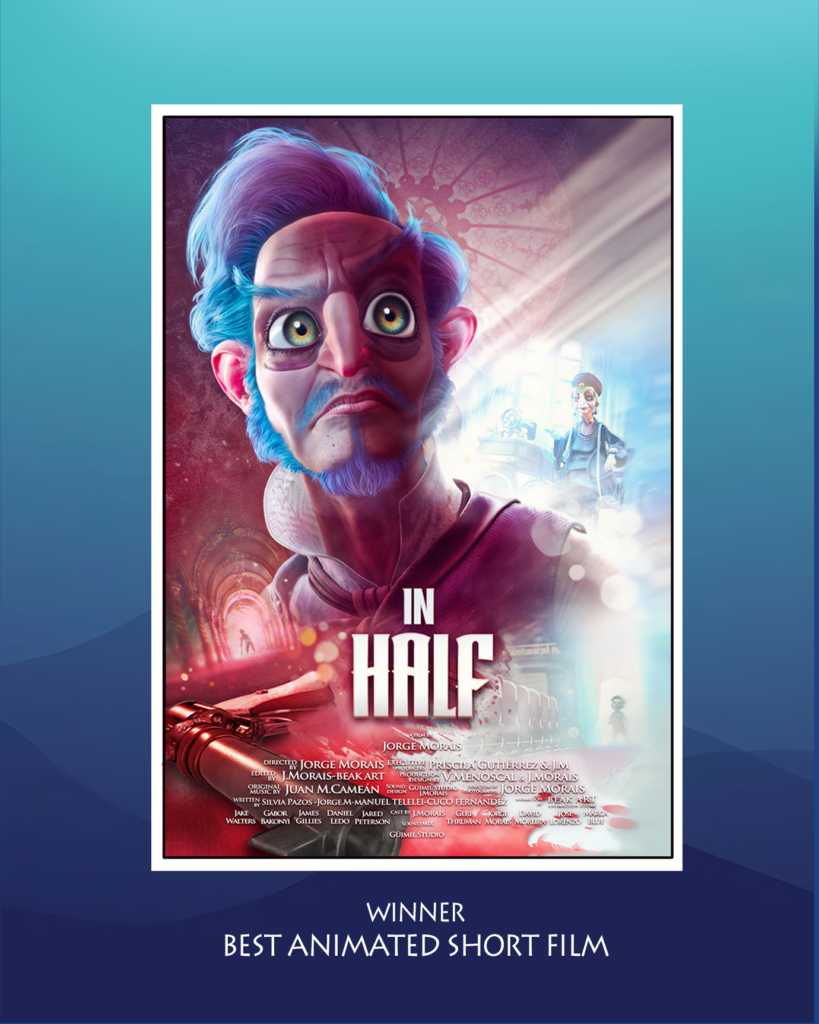
Best Animated Short
'In Half'
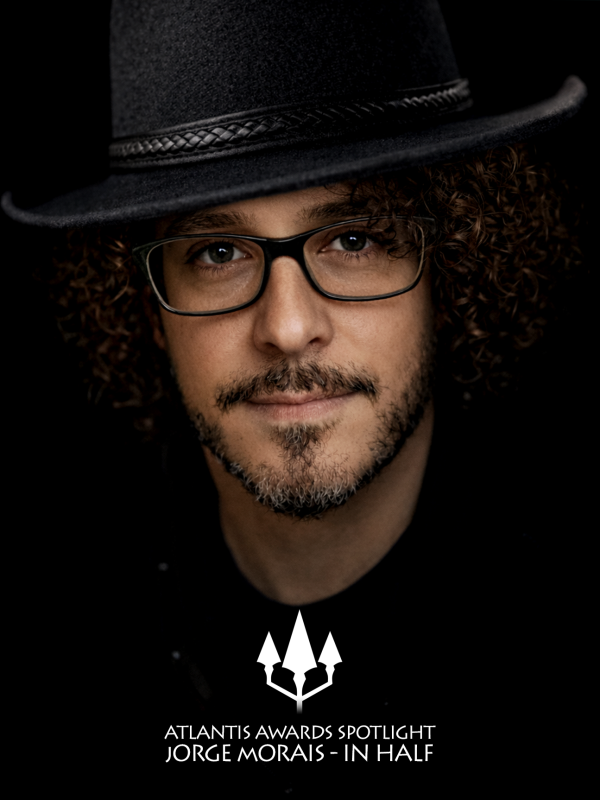
Thank you again for agreeing to participate in an Atlantis Artist Spotlight. We’re very glad to have the opportunity to highlight In Half and your creative process.
Jorge Morais:
Thanks so much for the invitation! I’m really glad to be part of the Atlantis Artist Spotlight and to have the chance to share In Half and my creative process. I truly appreciate it.
Background & Creative Path
To begin, could you introduce yourself in your own words? How did your early experiences in fine arts—particularly sculpture, painting, and scenography—shape the way you now approach animation?
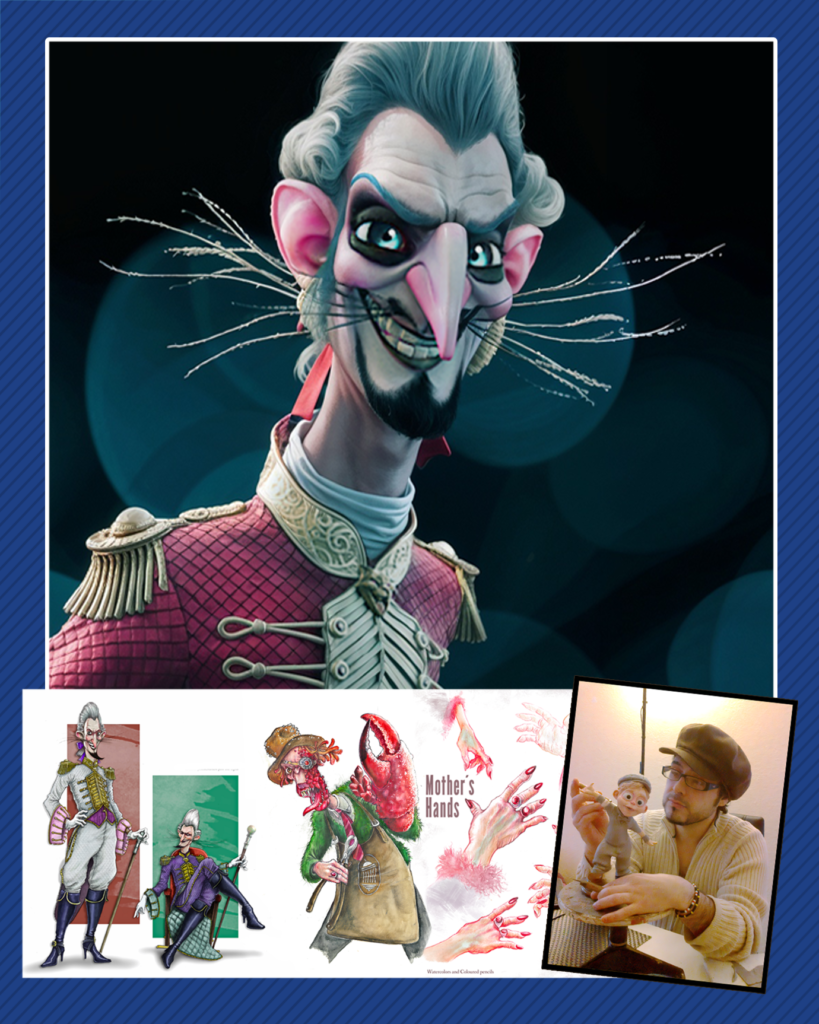
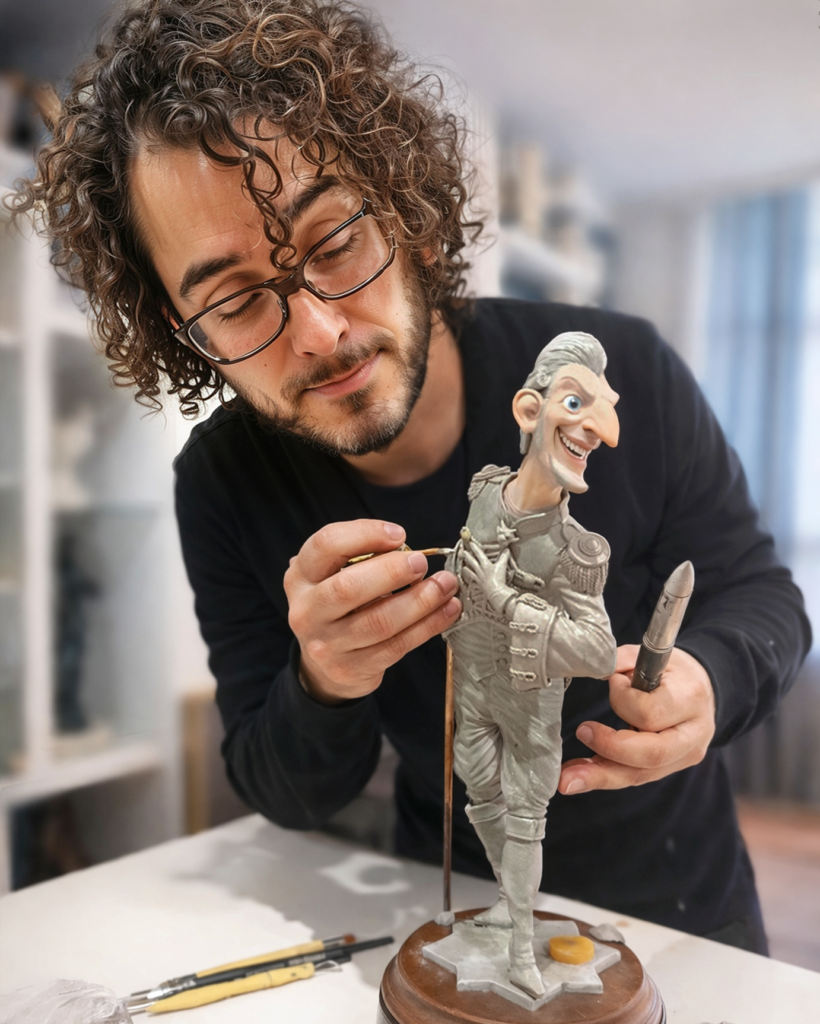
I’m Jorge Morais. I was born in a small coastal city in northwest Spain called Vigo, and I’ve been working in animation and visual arts for over twenty years. But really, my story started much earlier with fine arts—sculpture, drawing, and painting. Honestly, one of my favorite things was playing with modeling clay. I could shape anything I imagined, and it felt like there were no limits at all. That early freedom and connection to classical arts still influence how I think about animation today, often in ways I didn’t even expect.
Sculpture taught me to feel space—how a shape sits within it, and how light can completely change the way we perceive form. Drawing and painting gave me a sense of color, texture, and rhythm: subtle ways to guide emotion without saying a word. Scenography came later, but it was eye-opening—learning how to tell stories through space and objects, how characters move through a set, and how every tiny detail can speak about them or the world they live in.
When I animate, I carry all of that with me. I think of each scene almost like a tiny living world—how characters inhabit it, how light and textures communicate emotion, and how movement can express things words never could.
Those early fine arts experiences gave me an intuition for making stories feel real and human, even when the world they exist in is completely unreal. It’s something I return to in every project, and it’s definitely something I tried to bring into In Half.
Origins of In Half
Where did In Half begin for you? Was the starting point emotional, visual, autobiographical, or conceptual?
In Half began very quietly and gradually. There wasn’t a single moment of revelation or sudden inspiration. The story slowly took shape, guided by a persistent intuition that there was something universal in it.
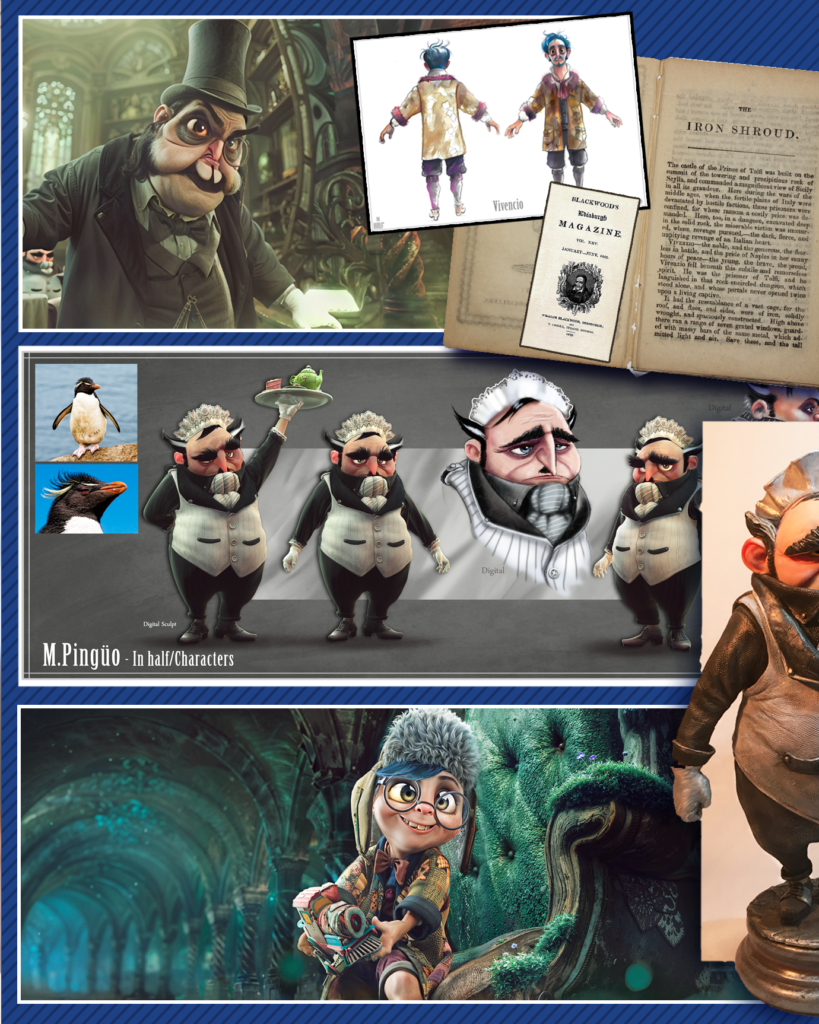
It all started years ago with a casual conversation with a friend about a Gothic story from 1830, The Iron Shroud, which struck me with how it portrayed fear from the inside—slowly and suffocatingly. At first, I thought about adapting it directly, but I felt there were more intimate, personal layers that needed their own space.
The project paused until, inspired by the fantastical logic of Alice in Wonderland, I found a way to explore fear in a more fragmented and symbolic form. From there, In Half began to take its own shape, somewhere between Gothic horror and an inner journey.
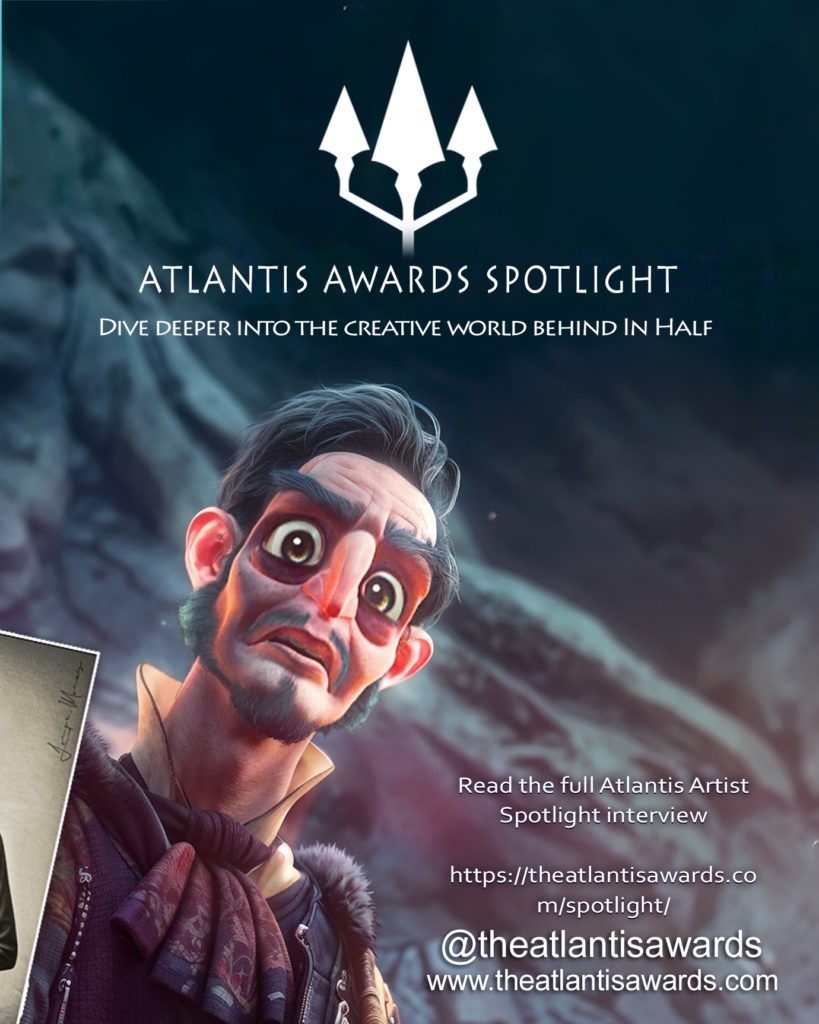
I decided to name the main character Vivencio Mudford—Vivencio after the original protagonist, and Mudford as a nod to the author’s name—creating a conscious and direct link to the story’s origins. The film follows a child navigating fear, love, and identity through imagination.
Why did you feel a child’s inner world was the right place to explore these themes?
I chose a child’s inner world because in childhood everything is felt so intensely and without filters. Fear, love, and identity are experienced in a pure, almost symbolic way, and imagination allows you to merge the real and the emotional directly. Seeing things through that lens makes the emotions feel more universal and deeper.
The film moves between internal and external realities with a sense of fluid logic. How did you think about the relationship between imagination and emotional truth while shaping the narrative?
It might sound a bit abstract, but for me imagination works like a bridge between my inner world and the outside. I see it as a natural process where feelings take shape and become visible. While building the story, I let that flow—between thought, emotion, and perception—guide the narrative so the emotional truth could emerge naturally.
Psychological & Emotional Architecture
The idea of the “shadow self” and emotional containment feels present without being explicit. How conscious were you of psychological frameworks during the creative process, and how did you avoid over-defining them for the audience?
Because I was aiming for nuance, I did a lot of research and was very aware of psychological frameworks throughout the process. However, I treated them as a foundation rather than something to explain literally. I wanted them to exist organically—through subtle gestures, quiet tensions in the animation, and tiny details that might go unnoticed on their own but, together, carry a lot of meaning. Almost like a quiet presence running underneath the story.
To avoid over-defining things, I relied on image, rhythm, and the natural imperfections of animation itself. I wanted to leave space for the audience to connect through their own experiences and complete the meaning from their inner world, without feeling that the film was telling them exactly how to interpret it.
The father figure plays a crucial role in the child’s emotional journey. How did you think about authority, discipline, and care coexisting within the same relationship?
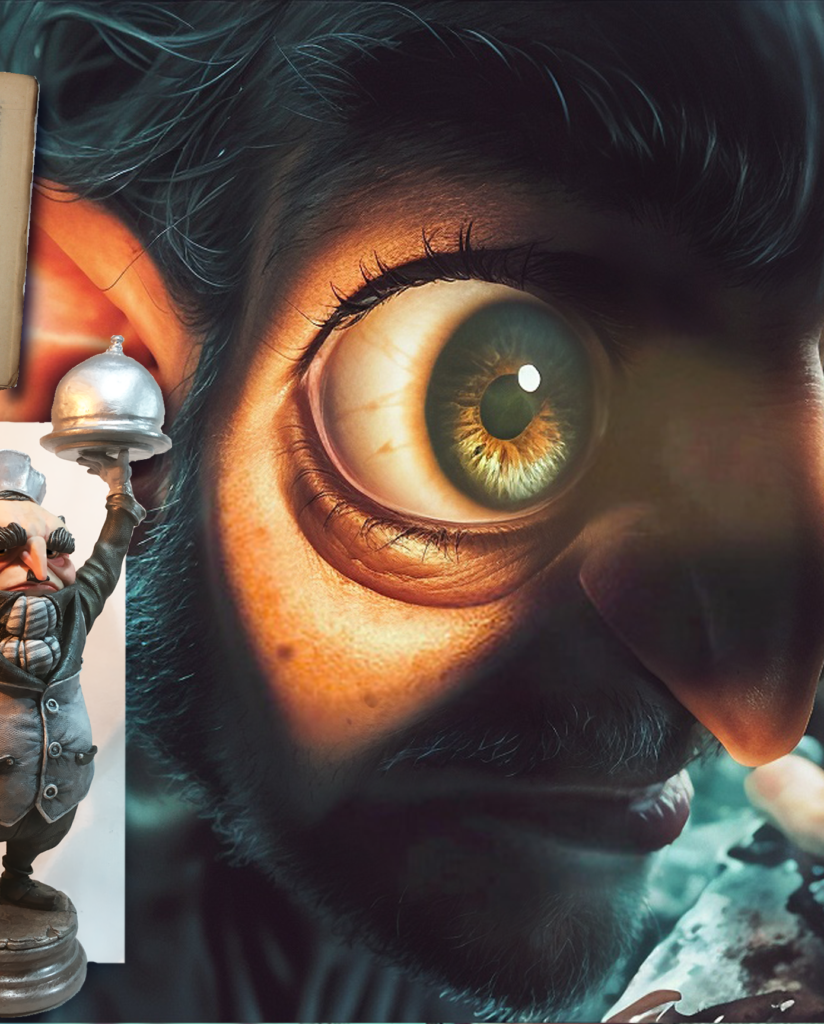
Well… (laughs) I probably have a lot in common with the father character. The role of being a dad is very present in my daily life, and in a way, animation puts you in a similar mindset. It’s an art that demands extreme discipline and order—you end up almost obsessive about image, detail, and rhythm.
That tension really shaped how I understood what the child character needed. Drama speeds up thinking and pushes you to react before fully understanding, and that’s exactly where I wanted to work from. I was interested in showing how authority, discipline, and pressure can coexist, while also intensifying the arc of the most vulnerable character—making it clear how these forces shape their emotional world from the inside out.
Visual Language & Craft
Your background in sculpture and spatial design is very present in the film’s environments. How did you approach designing spaces that feel emotionally charged rather than merely illustrative?
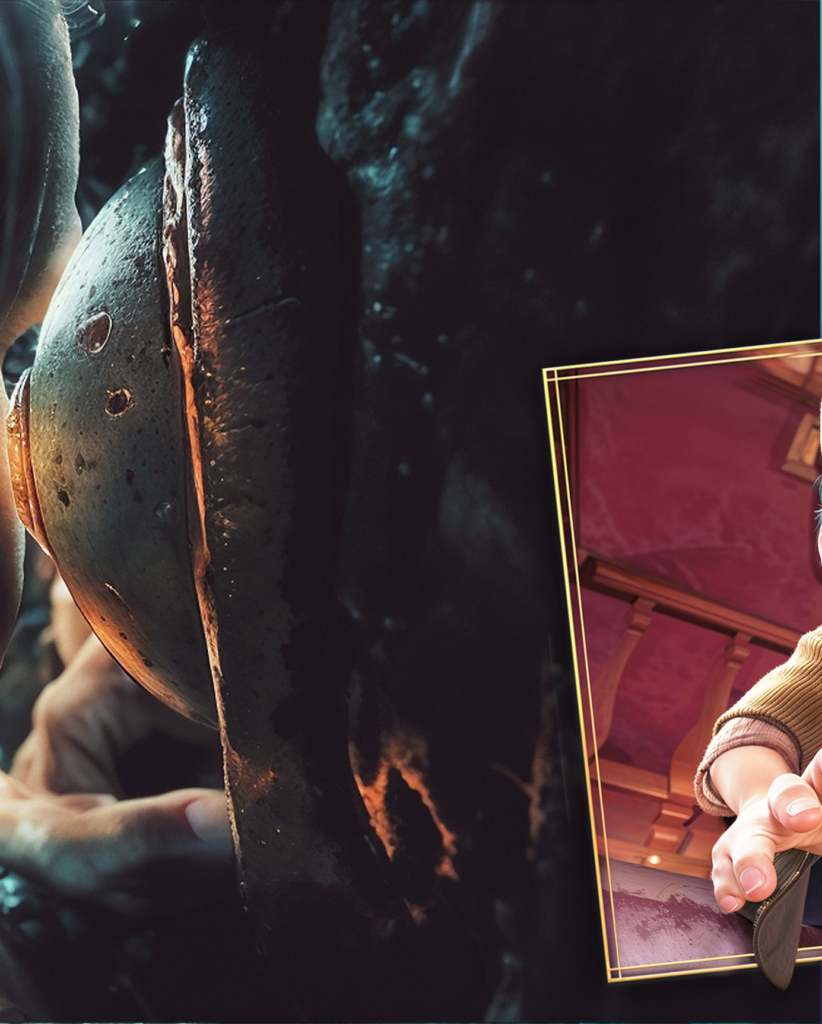
I’ve always thought of spaces as extensions of the characters and their emotions. When you’re just illustrating, it’s easy to idealize and end up with environments that feel disconnected from the people in them. I wanted every room, every object, every angle to carry what the characters were feeling—almost as if the space itself were breathing with them and reflecting their inner world.
Were there particular visual or artistic influences—inside or outside of animation—that informed the look and movement of In Half?
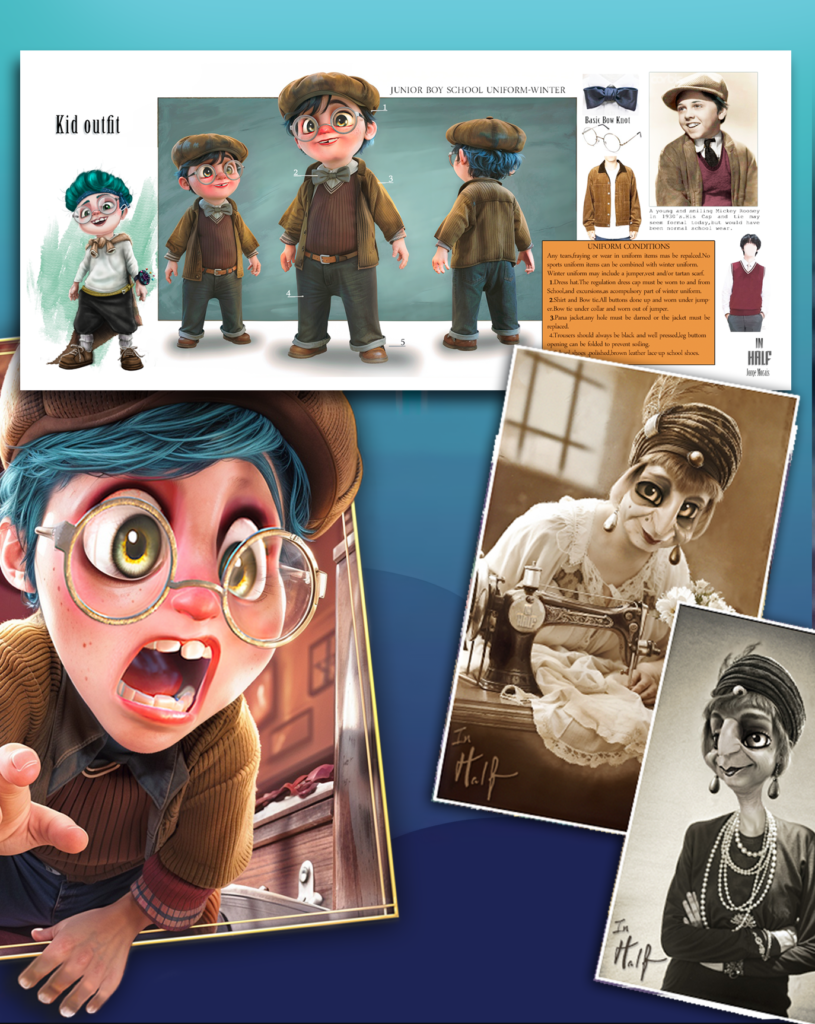
From the beginning, I knew I didn’t want to simply repeat formulas. In animation, we copy a lot—we learn from what draws us in—and it’s easy to fall into a comfort zone that produces styles and rhythms that start to look too similar. For In Half, the style didn’t appear fully formed at the start; it revealed itself slowly through a conscious process of exploration and refinement. More than finding a “look,” I wanted to build a unique identity for the film.
Stop motion was a major influence, especially in how miniature sets and models are lit. I tried to bring that same sensitivity to lighting, inspired by artists like Ray Harryhausen, Barry Purves, and the Quay Brothers. I’m fascinated by how light, texture, and physical detail communicate emotion so directly. Every shot was meant to reflect that sensibility—the materials of the objects, the way light moves through them, and how it all works with movement so characters and spaces feel like they’re breathing together.
Reflection & Looking Forward
Now that In Half has been seen and discussed, what aspects of the film feel most representative of where you are as an artist today? Did this project change the way you think about storytelling, childhood, or emotional memory moving forward?
I think In Half really reflects where I am right now as an animation filmmaker. It brings together many of the things that matter most to me: exploring complex emotions, playing freely with imagination, and searching for a visual language that moves between the poetic and the unsettling. Every decision—from the characters to the spaces—comes from an interest in the intimate, the symbolic, and the human, even when the worlds themselves aren’t grounded in reality.
At the same time, the project changed how I think about storytelling, childhood, and emotional memory. It helped me understand how emotions and memories live inside us without always expressing themselves in a linear way. Often they surface in fragments, mixed with fantasy and symbolism—and that’s where deeper truths tend to appear. In the projects I’m developing now, that’s exactly what I’m drawn to: exploring unknown parts of myself and offering them to the audience, so they can connect through their own experiences.

Visibility & Wrap-Up
IN HALF
🌐 www.inhalf.net
Trailer
▶️ https://www.youtube.com/watch?v=m5E7LSBz3mQ
Social
Instagram: https://instagram.com/beakart_j.morais
Twitter/X: https://twitter.com/Beak_Art