
' ' '
Atlantis Artist Spotlight
Best Actor Winner
Jack Stone
in
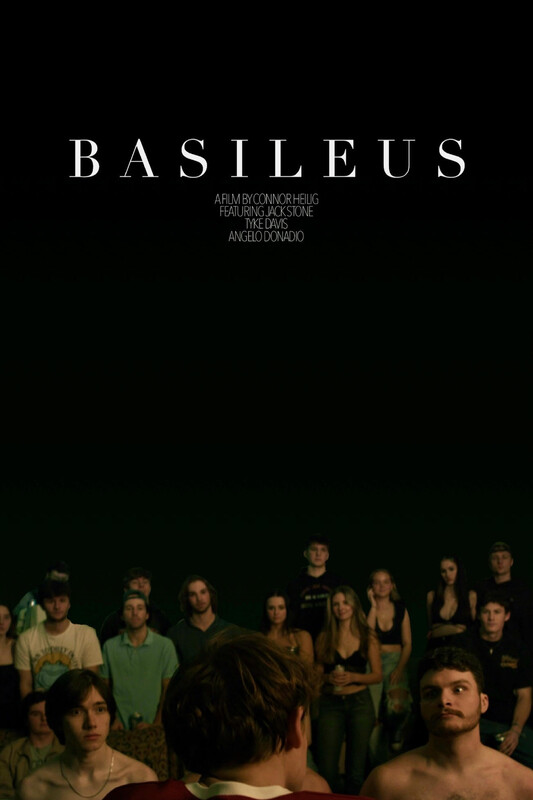
'Basileus'
Before we begin, a brief introduction.
Jack has been chasing the spotlight since he was eight years old — specifically since the night he played a rapping eagle in a school play, performed to a packed local theater, and locked eyes with the only audience member who mattered to him at the time: his babysitter. (They did not, as he notes, end up together.)
That early rush never quite wore off. Today, when he’s not on set, Jack splits his time between screenwriting, running a YouTube vlog, and building his social media management company — always orbiting storytelling, performance, and connection. His work reflects a natural ease with charisma and comedy, alongside a growing appetite for darker, more challenging material.
In recent years, that range has earned him audience and performance awards, including the Golden Reel Charlotte Film Festival Audience Award and Best Supporting Actor at the 48 Hour Charlotte Film Festival. While he has a particular affection for comedic and lovable characters, Basileus marks a deliberate step into more unsettling territory — one that reframes charm as something far more dangerous.
What follows is a conversation about influence, obsession, power, and the risks of believing too completely in your own authority.
Were there early influences — films, artists, experiences, or personal moments — that shaped the way you think about storytelling and power dynamics on screen?
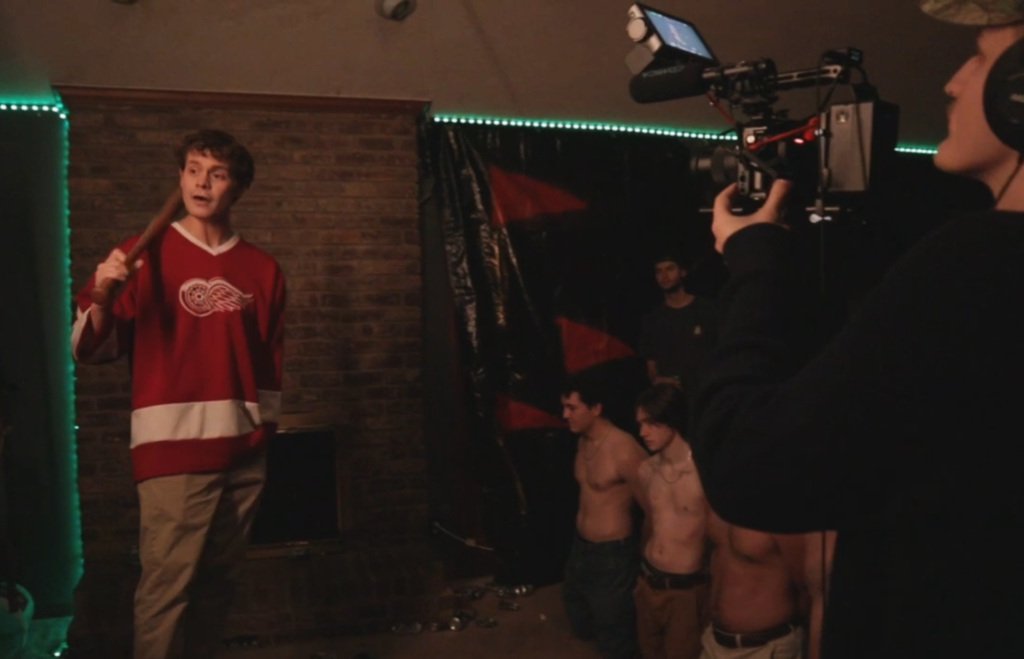
A major influence for me was The Social Network by Aaron Sorkin. Ever since I saw that film as a kid, it’s been my favorite. The dialogue, music, tone, and even some of the characters were directly inspired by it. One of my first conversations with our director, Connor Heilig, was asking whether he could create a soundtrack similar to the one in The Social Network.
Before Basileus, what kinds of stories were you most interested in telling, and how does this project fit into (or disrupt) that trajectory?
It might sound corny, but the stories I’m most interested in telling are whatever I’m obsessed with at the moment. For Basileus, that obsession was The Social Network meets American Psycho. My next project was very different — at the time, I was watching Seth Rogen’s The Studio, and I became obsessed with making a shaky-cam comedy about an actor in Hollywood.
Basileus is deeply concerned with power — how it’s performed, shared, and abused. What first sparked the idea for this story, and why was this the right moment to tell it?
I was thinking about the state of the world right now and watching people in positions of power abuse that privilege. I tried to get inside the mind of someone who could do that — someone who can do harm and get away with it. At the same time, I was asking myself how I could explore that mindset through what I love most: telling a compelling story. That’s where Basileus came from — a commentary on those ideas, contained within a smaller, more personal scale.
Jack, your portrayal of Mark is charismatic, controlled, and unsettling in subtle ways. How did you approach playing a character who must remain believable even as his moral center erodes?
I think the key to playing a character like this is not to play him as the “bad guy.” I viewed Mark as someone who truly believes there’s nothing wrong with what he’s doing. He even questions the supporting character, played by Ty Davis, about why he doesn’t understand the thrill of the kill. It’s a very dark role to step into, but it felt necessary for the story I was trying to tell.
The film was made with limited resources, yet it feels deliberate and confident. How did the constraints of scale and budget shape creative decisions rather than limit them?
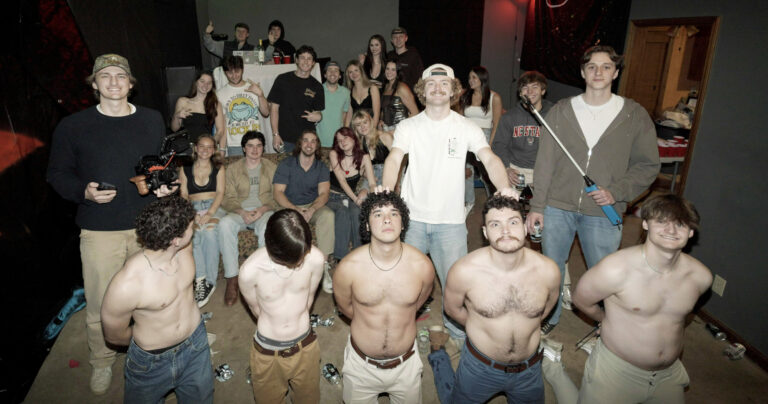
I actually love how limited budgets, especially as young filmmakers, push us into corners — because that’s when creativity kicks in. With Basileus, there were countless examples: convincing real fraternity brothers to let us use their house for free, or borrowing a friend’s camera for a week longer than we promised.
My favorite example, though, goes all the way back to the writing stage. I originally imagined Mark as the President of the United States, but with about $20 in my bank account, I had to pivot to a cheaper counterpart — a fraternity president. Once I started writing within that framework, the story branched into something entirely its own.
You all wore multiple hats on this project. What was the collaborative dynamic like between directing, writing, performing, and producing — especially when difficult decisions had to be made?
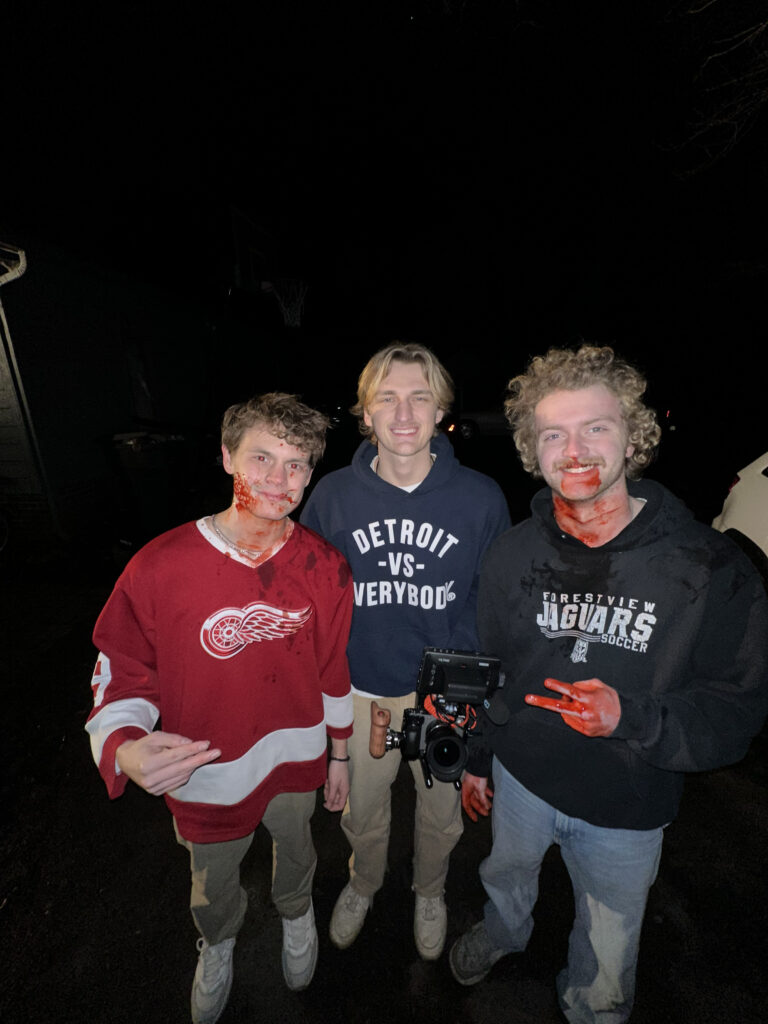
This one’s a simple answer. I created the world and the characters, and our legendary director, Connor Heilig, did the rest. Anything technical — pre-production or post — was in his hands. Without Connor, my vision would never have been realized the way it is today.
Where can audiences and fellow filmmakers follow your work and keep up with what you’re doing next?
People can follow me on Instagram at @sillyjackstone, and from there check out the link to my portfolio. As for what’s next, I’m currently gearing up for a feature-length film that’s set to go into production at the end of the year. If you liked Basileus, just wait — this next one is coming in 2027.